How Many Solar Panels Does Your Home Really Need?
Installing solar is a significant investment, and one of the first questions most homeowners ask is: “How many solar panels do I need?”
Unfortunately, there is no single answer that works for every household. Two homes may have the same number of occupants but use very different amounts of electricity. The correct number of panels must be based on how much electricity you consume, when you consume it and what you want your solar system to achieve.
Start With Your Electricity Usage
Your monthly electricity bill is a useful starting point, but the number of kilowatt-hours used is more important than the amount you pay.
Electricity tariffs differ between municipalities and prepaid providers. Two households paying the same monthly amount may therefore consume different quantities of electricity.
Check your municipal account or prepaid electricity records to estimate your average monthly kilowatt-hour consumption. For the most accurate system design, look at several months of usage rather than relying on a single month.
What Do You Want the Solar System to Do?
The number of panels also depends on your main objective.
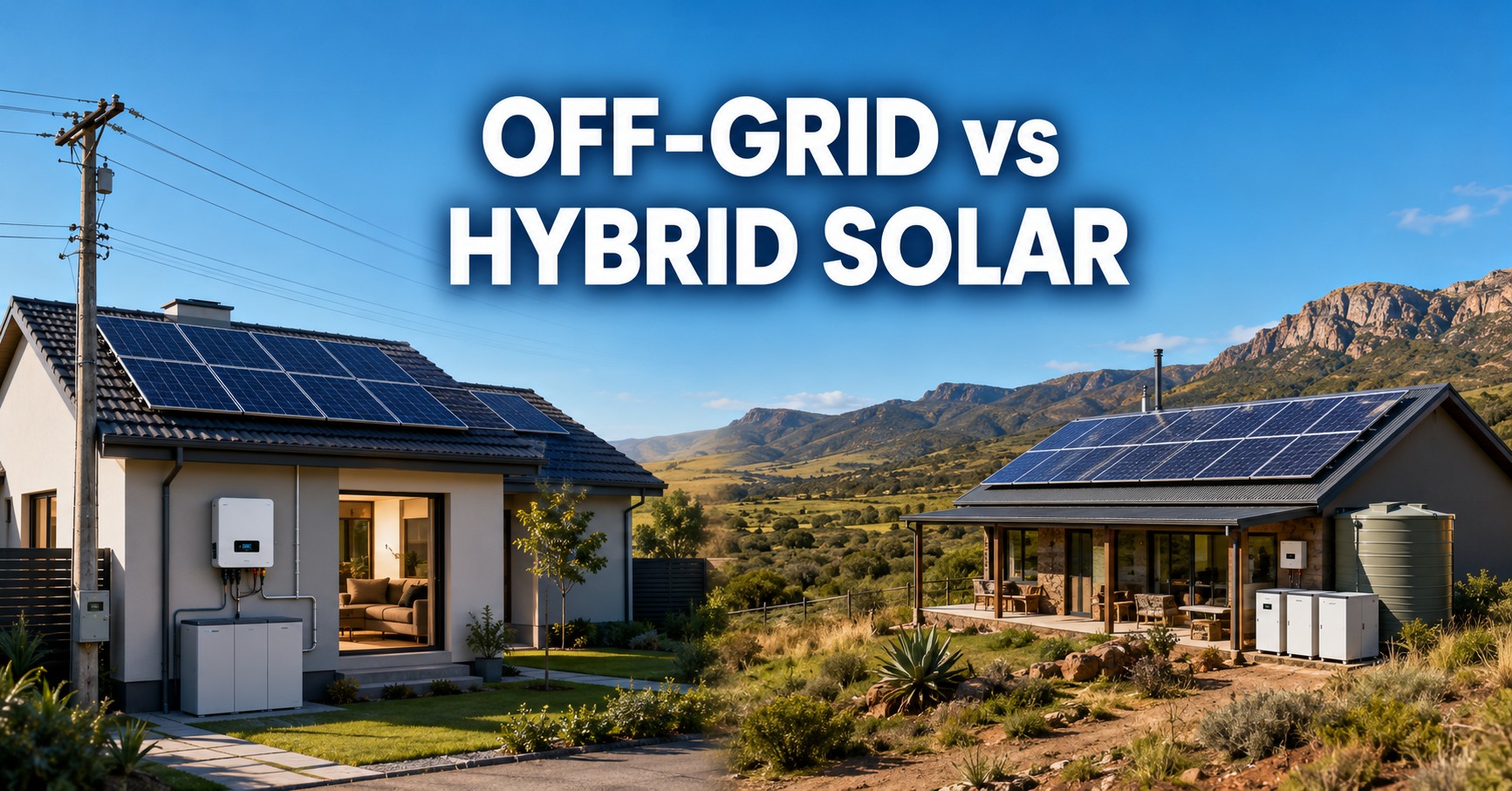
Some homeowners want solar primarily to reduce their electricity bill during the day. Others want enough generation to recharge their batteries after loadshedding. Some want a larger system capable of powering most of the property while reducing their dependence on the grid.
A system designed only for essential loads will require fewer panels than one intended to power a complete household, including pumps, air conditioners, ovens and other high-consumption appliances.
Inverter Capacity Matters
Every inverter has a maximum solar-input capacity, voltage range and current limit. Adding too many panels—or connecting them incorrectly—can exceed these limits and damage the equipment or affect warranty coverage.
The panels must be arranged into suitable strings according to the inverter’s MPPT specifications. The panel wattage, open-circuit voltage and operating current must all be checked before installation.
This is why solar-panel quantities should never be selected using inverter size alone.
Roof Space and Direction
Your available roof area may limit the number of panels that can be installed. Roof direction, pitch, shading and obstructions such as chimneys, vents and satellite dishes must also be considered.
North-facing roof space generally provides excellent solar production in South Africa. East- and west-facing roofs can also work well, particularly when panels are divided to produce electricity during different parts of the day.
Shading from trees, neighbouring buildings or other roof sections can significantly reduce production. A proper site assessment helps determine the most suitable panel positions.
Daytime Consumption Makes a Difference
Solar panels generate electricity during daylight hours. A household that uses most of its electricity during the day can often benefit immediately because the solar power is consumed as it is generated.
If most electricity is used at night, sufficient battery capacity is needed to store daytime solar production. The panels must then provide enough energy to power the daytime loads and recharge the batteries.
Solar panels and batteries must therefore be sized as one complete system rather than as separate products.
A Simple Example
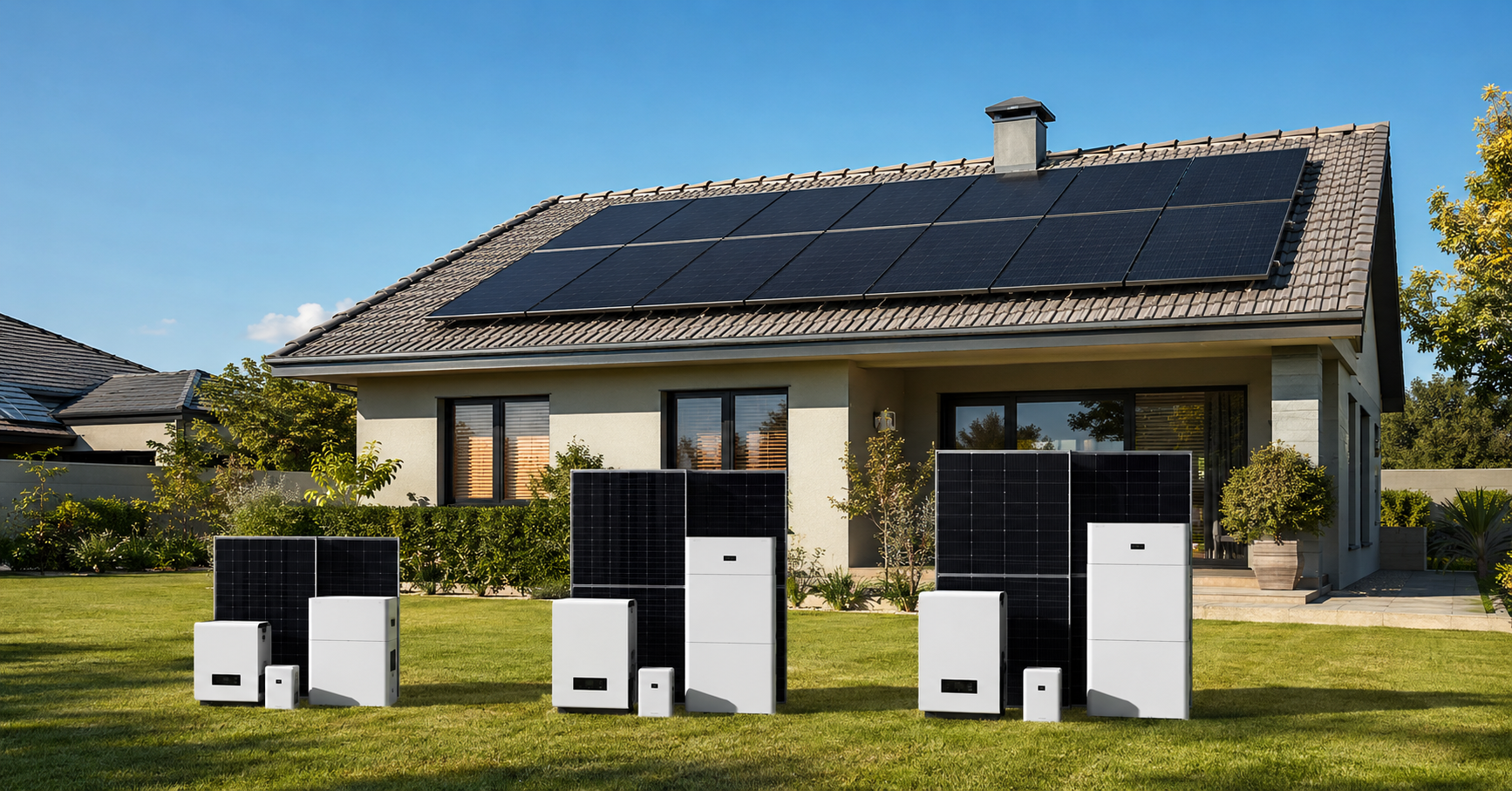
A modern 580W solar panel can produce up to 580 watts under ideal laboratory conditions. Six panels provide a combined rated capacity of approximately 3.48kWp, while twelve panels provide approximately 6.96kWp.
Actual daily production will vary according to location, season, weather, panel direction, temperature, shading and system losses.
The rated panel total should therefore not be treated as a guarantee of constant output.
Avoid Undersizing Your Solar Array
An undersized solar array may not generate enough electricity to support the household and recharge the batteries properly. This can leave the homeowner relying heavily on Eskom or a generator, even after investing in a solar system.
However, simply adding more panels is not always the answer. The array must remain within the inverter’s safe operating limits and should be matched to the customer’s actual requirements.
Let Us Help You Size It Correctly
RSA Solar Supplier can help you select a balanced solar system based on your electricity usage, property, budget and future plans.
We supply quality solar equipment and offer professional installation solutions in our normal service area. Nationwide equipment delivery is also available at an additional cost.
Contact us for a personalised solar assessment:
081 729 5101 or 065 008 2530
sales@solarsupplier.co.za
www.solarsupplier.co.za
Invest in a solar system designed around your needs—not a one-size-fits-all package.